
About us
40 years of hands-on experience in industrial Plasma welding equipment and applications
Based in France but able to provide remote technical assistance as well as on-site visits anywhere in the world our more than 40 years of hands-on experience in industrial Plasma welding equipment and applications make us the ideal choice to support your automatic Plasma welding equipment.
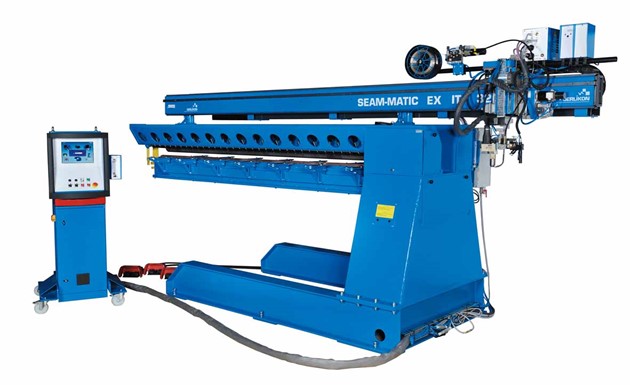
In addition we specialise in the diagnostics, repair and maintenance of long obsolete systems from suppliers such as SAF (La Soudure Autogene Française), OERLIKON and AIR LIQUIDE WELDING. We are also able to provide you with retrofit solutions should this be required.
Our expertise also extends to consultation services as our experience in real world fabrication situations qualifies us to be able to offer independent and unbiased advice regarding the successful implementation of this process. This means that the obstacles often encountered can be reduced or eliminated saving precious time and ressources and keeping your project on target.
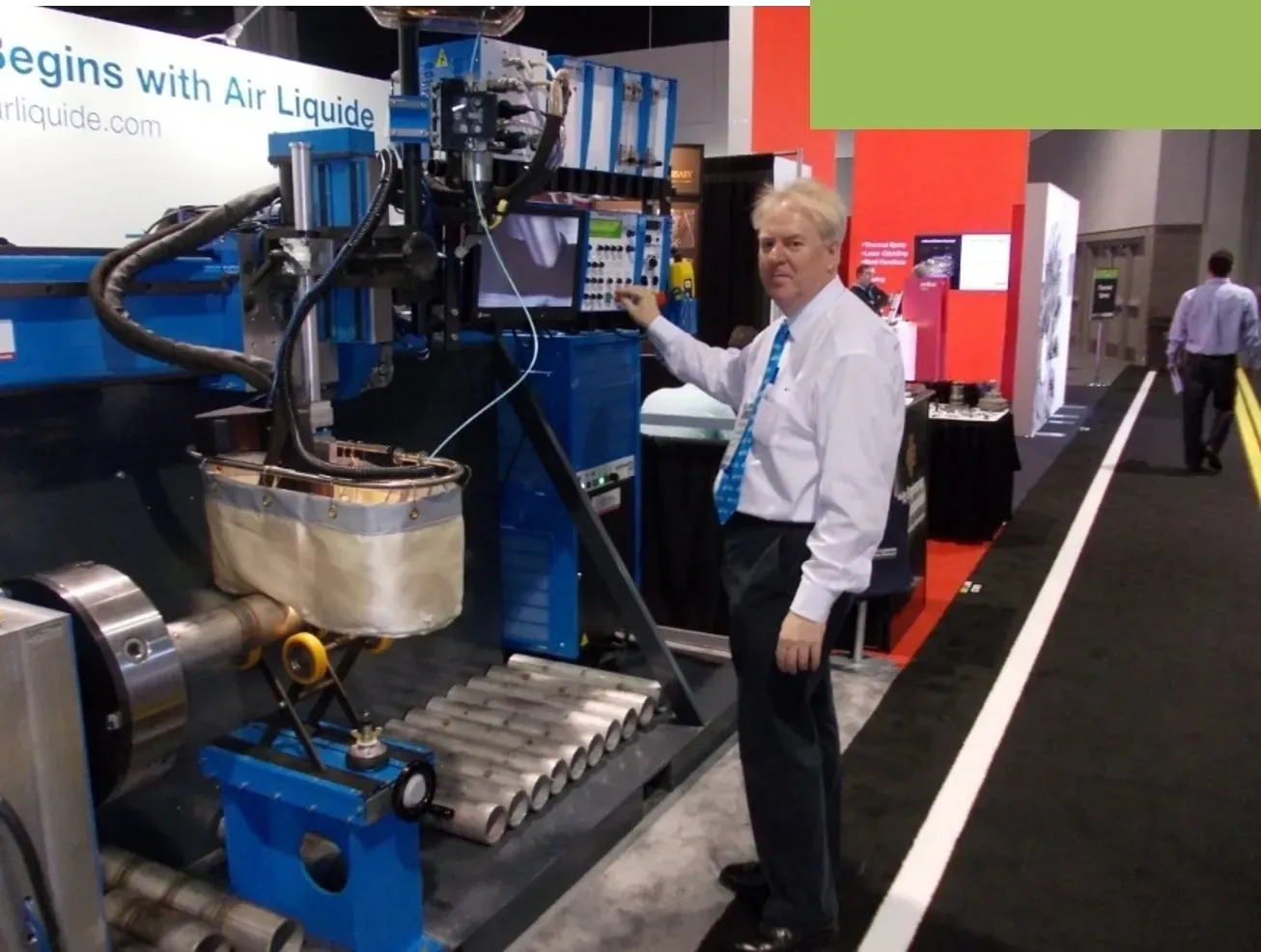
We are also able to train / re-train machine operators such that your plasma welding equipment is utilised to itshighest potential.
Plasma Welding in Industry
Plasma welding encompasses a range of techniques where plasma —a superheated, electrically conductive gas— is used to create highly controlled and precise welds. Introduced in the 1960s, plasma welding has proven effective for tasks that demand consistency, minimal downtime, and high-quality results across various industrial applications.
Principles and Benefits
Plasma welding operates by channeling plasma through a nozzle to create a focused, high-temperature arc that can reach up to 30,000°F. This unique feature enables:
– Deep, narrow welds: Essential for critical applications such as aerospace components and pressure vessels.
– High travel speeds: Enhances productivity by reducing welding time.
– Reduced heat-affected zones: Limits material distortion, preserving the integrity and quality of the weld.
Technical Advantages
Plasma welding’s distinct design includes a torch that shields the tungsten electrode from exposure, ensuring durability and less frequent maintenance. Unlike TIG welding, plasma welding permits arc transfer without the use of high-frequency starts, mitigating issues with control system interference and facilitating seamless automation. This leads to reliable, continuous production cycles.
Furthermore, modern plasma welding equipment often incorporates digital gas control, allowing precise regulation of gas flow relative to amperage. This, combined with features such as pulse and spot timing, enhances flexibility and control over welding parameters.
Applications in Industry
The adaptability of plasma welding makes it valuable across various sectors, including automotive, aerospace, electronics, and medical device manufacturing. Its ability to deliver consistent, high-quality welds is especially beneficial for automated and robotic applications, where precision and repeatability are essential.
Although not as prevalent as some conventional methods, plasma welding is indispensable for specialized tasks that demand high tolerances and excellent joint integrity in modern manufacturing. Its strategic use in complex projects ensures it remains a cornerstone in advanced welding processes.